Categories
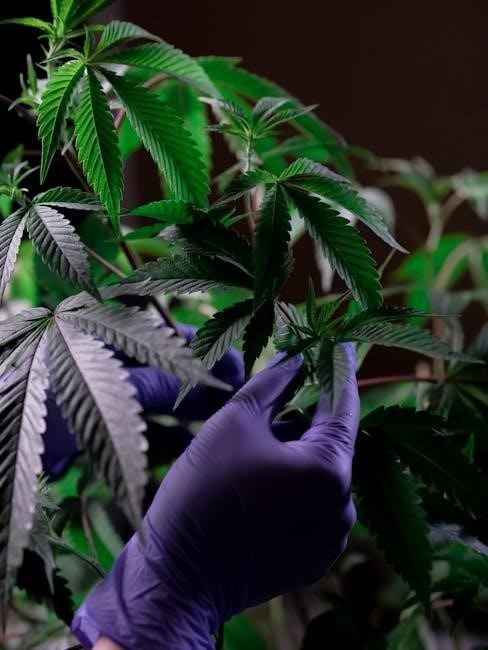
Hydroponics offers a unique method for cultivating cannabis, bypassing traditional soil-based techniques․ This guide explores growing marijuana using water and nutrient solutions․
It’s a system where plants thrive in an inert medium, receiving essential nourishment directly from the water, maximizing growth potential and yield․
Hydroponics is a revolutionary growing method where plants are cultivated without soil, utilizing mineral nutrient solutions in a water solvent․ Essentially, it’s about delivering nutrients directly to the plant’s roots, fostering faster growth and increased yields․
Unlike conventional soil cultivation, hydroponics employs inert mediums like coco coir, rockwool, or clay pebbles to provide structural support․ These mediums don’t contribute nutrients; instead, the grower precisely controls the nutrient composition of the water solution․
While growing in coco coir can be considered a form of hydroponics, the term typically refers to systems where roots are suspended directly in nutrient-rich water․ This allows for optimal oxygenation and nutrient uptake, resulting in vigorous plant development․
Hydroponic cannabis cultivation presents numerous advantages over traditional soil growing․ Firstly, growth rates are significantly accelerated, leading to quicker harvests and increased yields – often exceeding soil-based results․
Secondly, hydroponics offers superior control over nutrient delivery․ Growers can precisely tailor the nutrient solution to meet the plant’s specific needs at each growth stage, maximizing potency and quality․
Furthermore, water usage is dramatically reduced compared to soil cultivation, making it an environmentally friendly option․ Pest and disease control is also simplified, as the absence of soil minimizes potential issues․
Finally, hydroponic systems can be implemented in a smaller footprint, ideal for indoor growing operations with limited space․
Successful hydroponic cultivation requires specific tools․ These include a hydroponic system, grow lights, nutrient solutions, pH and PPM meters, and a suitable grow medium․
Deep Water Culture (DWC) is a straightforward hydroponic method ideal for beginners․ It involves suspending the plant’s roots directly into a nutrient-rich, oxygenated water reservoir․
An air pump and air stone are crucial, constantly bubbling air into the solution to provide oxygen, preventing root rot․ The roots absorb nutrients directly from this solution, eliminating the need for a traditional growing medium like soil․
DWC systems are relatively inexpensive to set up and maintain, making them a popular choice․ However, they are susceptible to temperature fluctuations and require consistent monitoring of pH and nutrient levels for optimal plant health and vigorous growth․
Regular water changes are also essential․
Nutrient Film Technique (NFT) is a hydroponic system where a shallow stream of nutrient solution continuously flows over the plant roots․ Plants are typically placed in a slightly sloped channel or tube․
A pump circulates the nutrient solution from a reservoir, delivering essential elements directly to the roots․ The continuous flow ensures a constant supply of oxygen and nutrients, promoting rapid growth․
NFT systems are efficient in terms of water and nutrient usage, but require careful monitoring․ Any interruption in the pump can quickly lead to root drying and plant stress․ Maintaining a consistent flow rate and pH is vital for success․
It’s a popular commercial method․
Ebb and Flow (Flood and Drain) is a straightforward hydroponic method where the grow tray is periodically flooded with nutrient solution, then drained back into the reservoir․ This cycle provides roots with both nutrients and oxygen․
A timer controls a pump that fills the tray, ensuring roots are saturated; Once full, the pump shuts off, and gravity drains the solution back into the reservoir․ This intermittent wetting and drying is crucial for healthy root development․
Ebb and Flow systems are relatively easy to set up and maintain, making them suitable for beginners․ However, proper timing and reservoir management are essential to prevent issues like root rot or nutrient imbalances․
It’s a versatile system․
Choosing the right grow light is vital for hydroponic cannabis cultivation․ Two popular options are Light Emitting Diodes (LEDs) and High-Pressure Sodium (HPS) lamps, each with distinct advantages․
HPS lights are known for their high intensity and efficiency in producing the red and orange light spectrum favored during the flowering stage․ However, they generate significant heat, requiring robust ventilation systems and consume more energy․
LEDs, conversely, are more energy-efficient, produce less heat, and offer a customizable spectrum for both vegetative and flowering stages․ While initial costs are higher, their longevity and reduced operating expenses can make them cost-effective long-term․
LEDs are becoming increasingly popular․
Hydroponic cannabis demands precise nutrient management, differing significantly from soil-based cultivation․ Since the roots have direct access to the solution, balanced formulations are crucial for optimal growth․
Cannabis-specific nutrient sets are readily available, formulated with the ideal ratios of nitrogen (N), phosphorus (P), and potassium (K) for each growth stage – vegetative and flowering․ These often include micronutrients like calcium, magnesium, and iron․
Understanding N-P-K ratios is key․ Vegetative growth favors higher nitrogen, while flowering requires increased phosphorus and potassium․ Always follow manufacturer instructions carefully, as over-fertilization can be detrimental․
Regular monitoring of the nutrient solution is essential․
Maintaining optimal pH and PPM (parts per million) levels is paramount in hydroponic cannabis cultivation․ pH dictates nutrient availability; cannabis prefers a slightly acidic range, typically between 5․5 and 6․5․
A pH meter accurately measures acidity/alkalinity, allowing for adjustments using pH Up or pH Down solutions․ PPM meters measure the total dissolved solids – nutrient concentration – in the water․
Ideal PPM levels vary based on the growth stage․ Seedlings require lower PPM, increasing as the plant matures․ Regularly checking and adjusting both pH and PPM ensures the plants can efficiently absorb nutrients, preventing deficiencies or toxicities․
Consistent monitoring is vital for success․
Establishing your hydroponic setup involves selecting a system, grow medium, and preparing the nutrient solution․ Careful planning ensures optimal cannabis growth and robust yields․
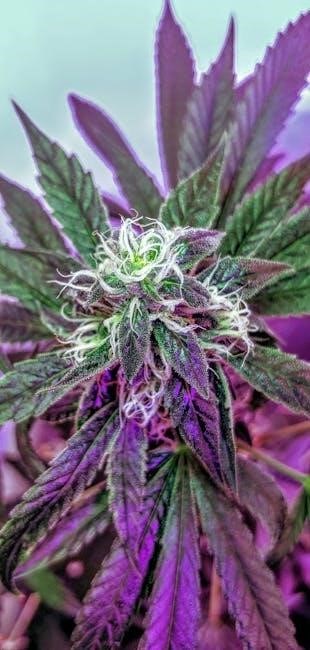
Selecting the appropriate grow medium is crucial for hydroponic cannabis cultivation, as it provides support and aeration for the roots․ Rockwool, made from spun rock, offers excellent water retention and is ideal for starting seeds and clones, but requires pH stabilization․
Coco coir, derived from coconut husks, is a sustainable alternative with good aeration and water-holding capacity․ It naturally contains no nutrients, necessitating a complete nutrient solution․ Clay pebbles (hydroton) are reusable, providing excellent drainage and aeration, making them suitable for various hydroponic systems․
Consider your system type and experience level when choosing․ Each medium has unique characteristics impacting nutrient delivery and root health, ultimately influencing your cannabis plant’s growth and yield․
Crafting the perfect nutrient solution is paramount in hydroponics, as it’s the sole source of nourishment for your cannabis plants․ Utilize cannabis-specific formulations, divided into vegetative and flowering stages, to cater to their evolving needs․ Begin with purified water – reverse osmosis (RO) is ideal – to avoid introducing unwanted minerals․
Carefully measure and add each nutrient component according to the manufacturer’s instructions․ Always add nutrients in the correct order to prevent chemical lock-out․ Thoroughly mix the solution, ensuring complete dissolution before checking and adjusting the pH and PPM (parts per million) levels․
Regular monitoring and adjustments are vital for optimal growth and preventing deficiencies․
Maintaining the correct pH is crucial for nutrient absorption in hydroponic cannabis cultivation․ Cannabis thrives within a slightly acidic range, ideally between 5․5 and 6․5․ Outside this range, nutrients can become unavailable to the plant, leading to deficiencies even if present in the solution․
Use a reliable pH meter to regularly check the solution’s acidity․ pH Up and pH Down solutions are used to adjust levels as needed․ Add these solutions incrementally, mixing thoroughly after each addition, and re-testing until the desired pH is achieved․
Consistent monitoring – ideally daily – is essential, as pH can fluctuate due to nutrient uptake and other factors․
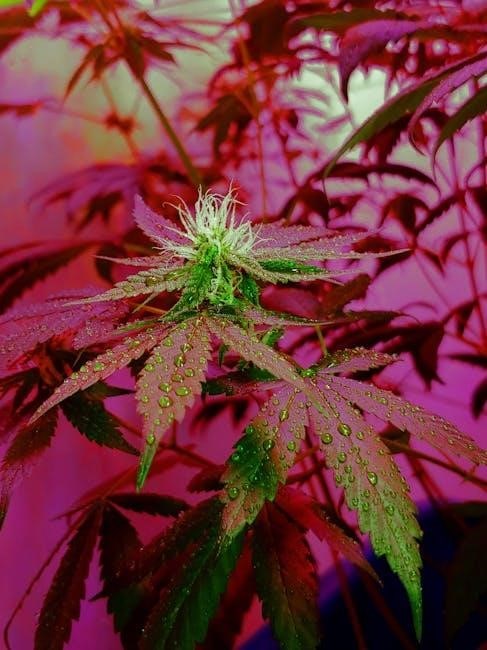
Hydroponic cannabis follows the same vegetative and flowering stages as soil-grown plants, but often exhibits accelerated growth due to direct nutrient access․
Understanding these phases is key to maximizing yields and potency throughout the cultivation process․
During the vegetative stage, the cannabis plant focuses on establishing a strong root system and developing foliage․ This phase requires a nutrient solution rich in nitrogen to support lush, green growth․
Growers typically employ an 18/6 light cycle (18 hours of light, 6 hours of darkness) to mimic the long days of summer, encouraging vigorous vegetative growth․
In hydroponic systems, plants absorb nutrients more efficiently, leading to faster growth rates compared to soil cultivation․ Regular monitoring of pH and nutrient levels is crucial during this stage․
Techniques like topping or low-stress training (LST) can be implemented to manipulate plant structure and maximize light exposure, ultimately increasing potential yields in the flowering stage․
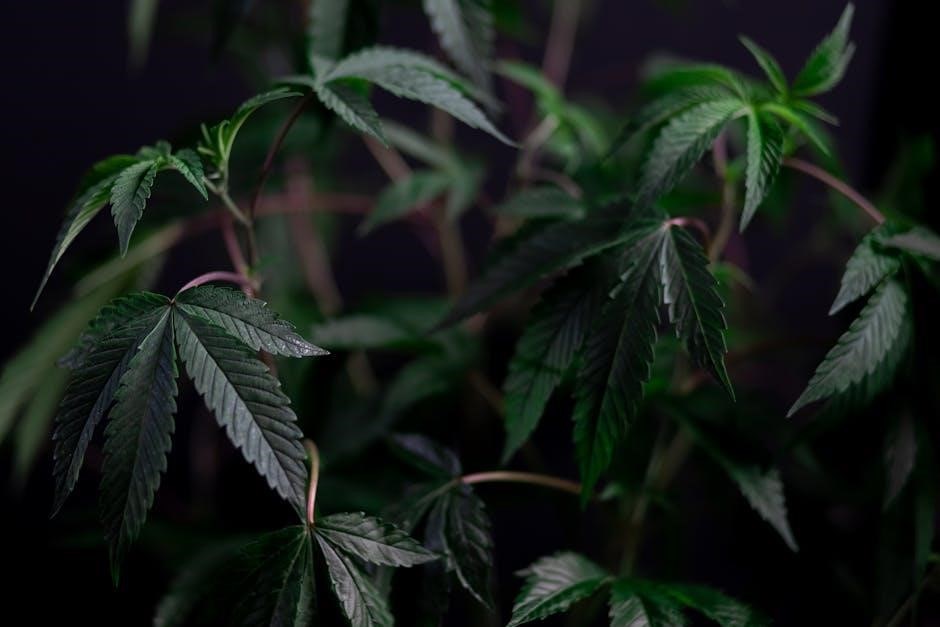
The flowering stage is initiated by switching the light cycle to 12 hours of light and 12 hours of darkness, simulating autumn․ This triggers the plant to begin producing buds, or flowers․
Nutrient solutions now shift to emphasize phosphorus and potassium, vital for bud development and resin production․ Maintaining precise nutrient ratios is critical for maximizing potency and yield․
Hydroponic systems allow for precise control over the growing environment, ensuring optimal conditions for bud formation․ Growers must monitor for signs of nutrient deficiencies or imbalances․
Support structures may be needed as buds become heavy․ Consistent environmental control and careful observation are key to a successful harvest․
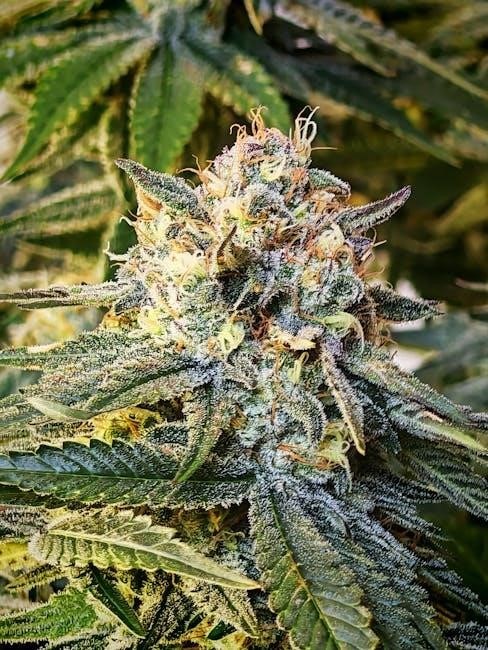
Hydroponic systems, while efficient, can encounter problems like root rot, nutrient deficiencies, and algae growth․ Prompt identification and correction are crucial for plant health;
Root rot is a devastating issue in hydroponic systems, caused by anaerobic conditions and fungal pathogens like Pythium․ Prevention centers around ensuring adequate oxygenation of the nutrient solution․ This can be achieved through air stones, air pumps, and maintaining proper water temperatures – ideally below 75°F (24°C)․
Symptoms include slimy, brown roots and a foul odor․ If detected early, treatment involves immediately changing the nutrient solution, thoroughly cleaning the reservoir, and potentially using a root zone treatment specifically designed to combat Pythium․ Hydrogen peroxide (H2O2) can also be used, but with caution, as excessive amounts can harm the plant․ Maintaining a clean system and monitoring water quality are vital for long-term prevention․
Nutrient deficiencies manifest differently in cannabis plants grown hydroponically, often appearing rapidly due to the direct availability of nutrients․ Identifying deficiencies requires careful observation of leaf discoloration, spotting, or structural changes․ Nitrogen deficiency shows as yellowing lower leaves, while phosphorus deficiency causes reddish-purple stems․
Correcting deficiencies involves adjusting the nutrient solution․ Begin by verifying the pH is within the optimal range (5․5-6․5) for nutrient absorption․ Gradually increase the concentration of the deficient nutrient, monitoring the plant’s response․ Avoid overcorrection, as this can lead to nutrient burn․ Regular PPM and pH monitoring are crucial for preventing and addressing deficiencies effectively․
Algae growth is a common issue in hydroponic systems, thriving on light and nutrients in the reservoir․ It competes with cannabis for resources and can clog pumps and tubing․ Prevention is key: use opaque reservoirs to block light, and thoroughly clean systems between cycles․
If algae appear, several control methods exist․ Hydrogen peroxide (H2O2) is effective, added at a rate of 1-2ml per gallon, but use cautiously․ Beneficial bacteria can also outcompete algae․ Physical removal, like scrubbing the reservoir, is necessary for established growth․ Maintaining proper water temperature and preventing nutrient buildup further minimizes algae blooms, ensuring a healthy root zone․
Harvesting requires careful timing, assessing trichome color for peak potency․ Proper drying involves controlled temperature and humidity, while curing enhances flavor․
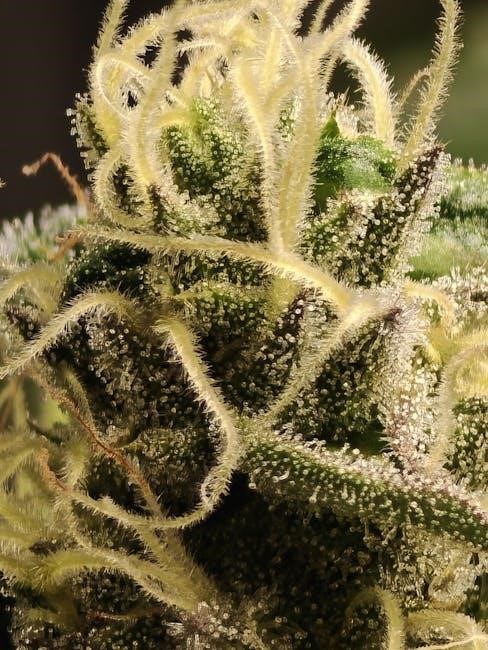
Assessing trichome maturity is crucial for maximizing cannabinoid content and achieving the desired effects․ Using a jeweler’s loupe or microscope, examine the trichomes on the buds․ Initially, they appear clear, indicating immature cannabinoids․ As they mature, they transition to cloudy white, signaling peak THC levels․
Finally, they turn amber, suggesting CBD production is increasing and THC is degrading․ The ideal harvest window depends on your preference – cloudy for a more energetic high, and amber for a more relaxing, body-focused effect․
Consider also the pistils, the hair-like strands emerging from the calyxes․ When approximately 70-90% have darkened and curled, it’s generally a good indication of approaching harvest time․ Remember, these are guidelines; consistent observation is key!
Slow drying is paramount for preserving terpenes and maximizing flavor․ Hang harvested branches upside down in a dark, well-ventilated room with a temperature between 60-70°F (15-21°C) and humidity around 50-60%․ Ensure adequate airflow to prevent mold growth, but avoid direct fan exposure․
Avoid overcrowding; allow sufficient space between branches․ The drying process typically takes 7-14 days․ Check for stem snap – when small stems snap cleanly, it indicates sufficient dryness․ If stems bend, continue drying․
Protect buds from light during drying, as it degrades cannabinoids․ Once dry, buds should feel slightly tacky but not sticky․ Proper drying is essential for a quality final product․
Curing refines the cannabis, enhancing its aroma, flavor, and potency․ Place dried buds in airtight glass jars, filling them about ¾ full․ For the first week, “burp” the jars 2-3 times daily – open them briefly to release moisture and prevent mold․
Maintain a temperature of 68-77°F (20-25°C) and humidity around 60%․ Monitor for any signs of mold․ Over the next 2-8 weeks, continue burping less frequently as the curing progresses․ The goal is a slow, controlled degradation of chlorophyll․
Properly cured cannabis exhibits a smoother smoke and a more complex terpene profile, resulting in a superior experience․