Categories
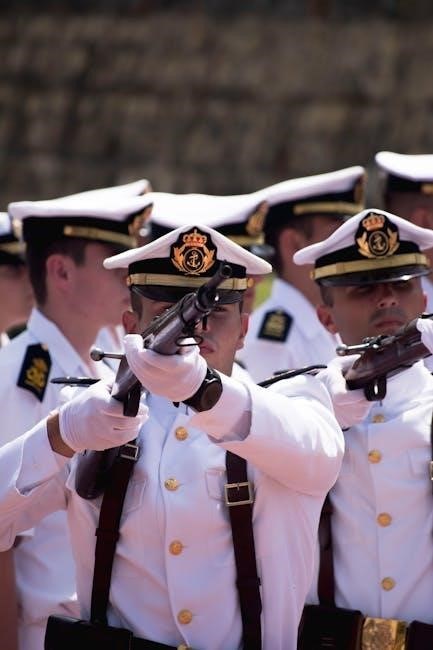
Naval Special Warfare’s rigorous program demands dedication, encompassing 24 weeks at BUD/S, followed by a 26-week SEAL Qualification Training course for elite operators.
Navy SEAL training is arguably the most demanding military training in the world, designed to forge unconventional warriors capable of operating in all environments. The program’s core is built around physical and mental toughness, pushing candidates to their absolute limits. It’s a pathway not just to a career, but to a brotherhood founded on shared hardship and unwavering commitment.
The selection process begins with Basic Underwater Demolition/SEAL (BUD/S), a grueling 24-week course; Successful completion doesn’t guarantee a SEAL trident; candidates then proceed to the 26-week SEAL Qualification Training (SQT). This comprehensive curriculum builds upon the foundation laid at BUD/S, honing specialized skills in advanced weaponry, close-quarters combat, and strategic operations.
The entire process is intentionally designed to identify and cultivate individuals possessing exceptional resilience, adaptability, and a relentless drive to succeed, ultimately creating the world’s premier maritime special operations force.
Aspiring Navy SEALs must meet stringent eligibility criteria before even considering application to Basic Underwater Demolition/SEAL (BUD/S) training. Candidates must be U.S. citizens, male, and generally between the ages of 19 and 28, though waivers are possible for exceptional applicants. A high school diploma or GED is mandatory, and applicants typically possess some college credit.
Crucially, candidates must be active-duty members of the U.S. Navy. They need to demonstrate exceptional physical fitness, evidenced by a qualifying score on the Physical Screening Test (PST). Moral character is also heavily scrutinized, requiring a clean legal and disciplinary record.
Beyond these basics, a strong commitment to teamwork, unwavering dedication, and the ability to perform under extreme pressure are essential, though difficult to quantify, prerequisites for success in the demanding BUD/S program.
The Physical Screening Test (PST) serves as the initial gatekeeper for potential Navy SEALs, rigorously evaluating fundamental physical capabilities. It’s a demanding assessment designed to weed out those lacking the baseline fitness required for the brutal BUD/S training. The PST comprises five events, all completed consecutively with minimal rest.
Candidates must demonstrate proficiency in a 500-yard swim using breaststroke or sidestroke, followed immediately by push-ups, sit-ups, and pull-ups – each performed to exhaustion within a two-minute time limit. Finally, a 1.5-mile run is completed, testing cardiovascular endurance and overall stamina.
Meeting minimum standards isn’t enough; competitive scores are vital, as the PST is often used to rank applicants. Consistent, dedicated training focused on these specific events is crucial for success.
The 500-yard swim is the opening event of the PST, demanding both endurance and efficient technique. Candidates must complete the distance using breaststroke or sidestroke, with consistent form being key to conserving energy. Qualifying times vary, but a competitive standard aims for completion within 12:30 minutes or faster.
Beyond speed, the swim assesses a candidate’s ability to perform under pressure and maintain composure in the water – a critical skill for underwater operations. Many aspiring SEALs dedicate significant training time to improving their swim technique and building water confidence.
Focusing on drills that enhance stroke efficiency and endurance is paramount. Regular practice, including interval training and distance swims, is essential for achieving a competitive time and preparing for the challenges ahead.
The Physical Screening Test (PST) demands a high volume of push-ups and sit-ups, testing muscular endurance and core strength. Minimum standards require at least 50 push-ups in two minutes, performed with proper form – full range of motion is crucial. Similarly, candidates must complete at least 50 sit-ups within the same timeframe, maintaining a controlled tempo.
However, exceeding these minimums is vital for competitiveness. Top performers often achieve 80-100 push-ups and sit-ups, demonstrating exceptional physical conditioning. Consistent training focused on building muscular endurance is essential for success.
Progressive overload, incorporating variations and increasing repetitions over time, will prepare candidates for the demanding physical challenges of BUD/S and beyond. Proper form prevents injury and maximizes effectiveness.
The Navy SEAL PST requires a significant display of upper body strength, assessed through the pull-up event. Candidates must perform a minimum of 10 strict pull-ups, executed with a full range of motion – dead hang at the bottom and chin over the bar at the top. No kipping or momentum is permitted; each repetition must be controlled and deliberate.
Competitive applicants typically achieve 15-20 or more pull-ups, showcasing exceptional strength-to-weight ratio. Training should focus on building both strength and endurance in the back and arms. Utilizing assisted pull-ups, negative pull-ups, and varied grip techniques can aid in improvement.
Consistent practice and proper form are paramount to avoid injury and maximize performance during the PST and throughout SEAL training.
The 1.5-mile run is the final event of the Navy SEAL Physical Screening Test, demanding both cardiovascular endurance and mental fortitude. The minimum passing standard is 11 minutes, but competitive candidates aim for significantly faster times. A score of 9:30 or below demonstrates exceptional fitness and potential.
Training should incorporate interval training, tempo runs, and long-distance runs to build stamina and speed. Focusing on proper running form and pacing is crucial for efficient performance. Candidates should practice running in boots and utility pants to simulate operational conditions.
Consistent training and a strategic approach to pacing will be vital for success, not only on the PST but throughout the demanding physical challenges of BUD/S.
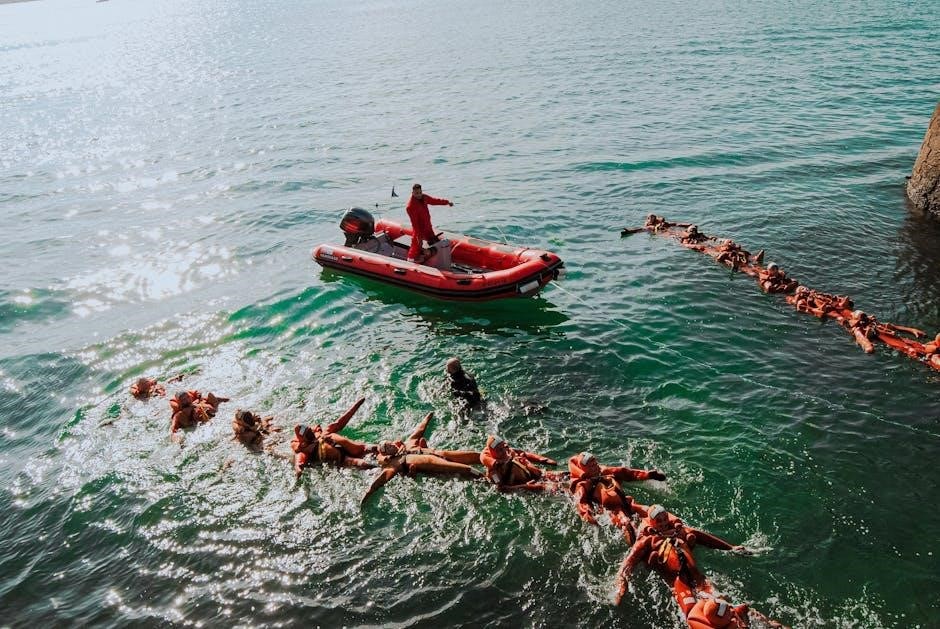
Phase 1 of BUD/S, lasting eight weeks, relentlessly focuses on transforming recruits into physically and mentally resilient warriors. Initial conditioning builds a base level of fitness, rapidly escalating in intensity. This phase emphasizes teamwork, pushing candidates to support each other through extreme physical demands.
Expect constant physical training, including running, swimming, obstacle courses, and calisthenics. The goal is to break down recruits and rebuild them with a new level of physical and mental toughness. This phase weeds out those lacking the dedication and fortitude to continue.
Successfully navigating Phase 1 is crucial, as it prepares candidates for the infamous “Hell Week” and the subsequent phases of training.
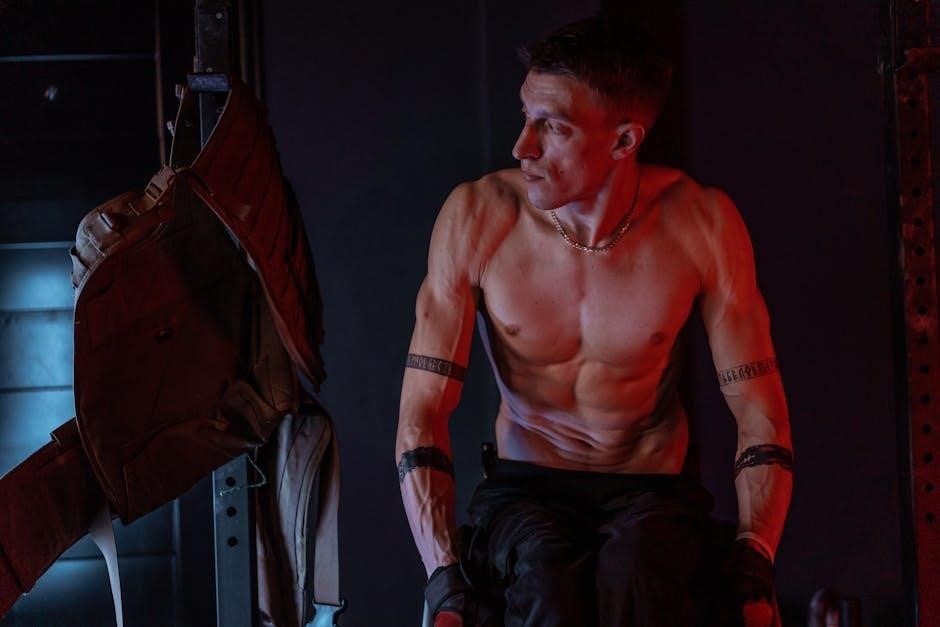
The Initial Conditioning Phase, the first stage of BUD/S’s Phase 1, spans approximately three weeks and is designed to rapidly assess and elevate recruits’ physical capabilities. It’s a brutal introduction, immediately exceeding most candidates’ prior fitness levels. Expect a relentless schedule of physical training, including long-distance running in boots and utility uniforms, constant calisthenics, and open-ocean swimming.
This phase isn’t just about physical endurance; it’s about mental fortitude and learning to operate under extreme stress and sleep deprivation. Instructors deliberately increase the workload, observing how recruits respond to adversity and whether they can maintain teamwork.
Failure to meet standards results in being “rolled” – repeating the exercises until completion or, ultimately, being dropped from the program.
Hell Week, arguably the most infamous component of BUD/S, is a five-and-a-half-day crucible designed to break candidates both physically and mentally. Sleep deprivation is absolute, with recruits receiving minimal rest throughout the entire ordeal. Continuous training, including cold water drills, obstacle courses, small boat operations, and endless physical exertion, pushes individuals to their absolute limits.
The purpose isn’t necessarily to assess physical prowess, but rather to identify those who possess the unwavering mental toughness, resilience, and teamwork skills necessary to become a SEAL. Instructors intentionally create a chaotic and stressful environment, forcing candidates to rely on each other for survival.
Many candidates voluntarily withdraw, while others are medically dropped, but those who endure demonstrate a level of commitment rarely seen.
Exposure to frigid water is a recurring element throughout BUD/S, particularly during Hell Week and the Diving Phase. This isn’t about simply surviving the cold; it’s about learning to function effectively while experiencing the debilitating effects of hypothermia. Recruits spend extended periods submerged in the ocean, often in temperatures barely above freezing, performing physically demanding tasks.
The training progressively increases in duration and complexity, building a candidate’s ability to control shivering, maintain situational awareness, and continue operating despite intense discomfort. Instructors monitor candidates closely for signs of dangerous physiological responses, but the emphasis is on self-regulation and mental fortitude.

This prepares SEALs for operations in diverse maritime environments where cold water exposure is a significant risk.
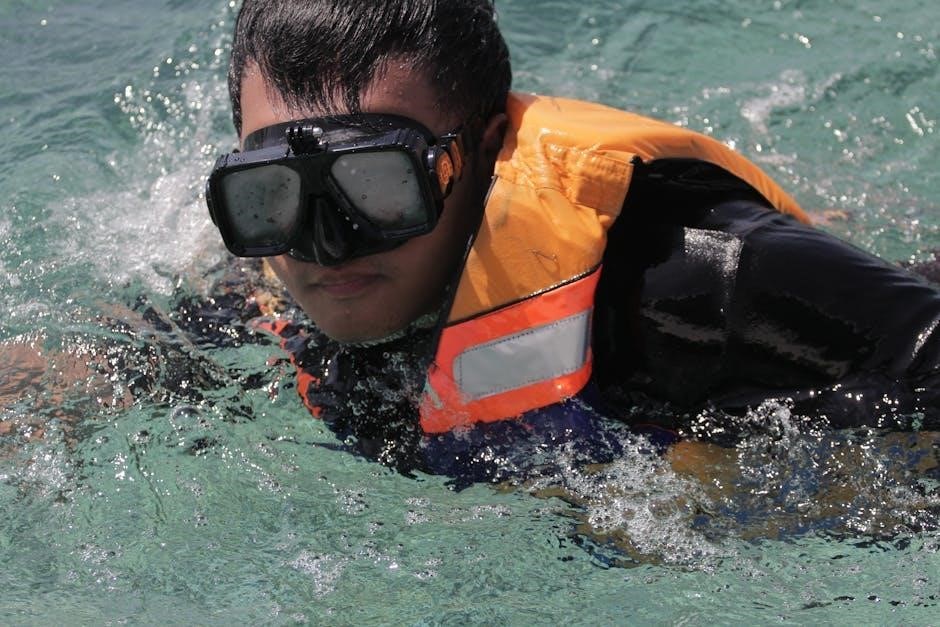
The Diving Phase represents a critical transition, building upon the physical conditioning of Phase 1 and focusing on underwater proficiency. This eight-week period immerses candidates in the complexities of combat swimming and underwater operations. Recruits learn essential techniques for efficient underwater movement, navigation, and obstacle negotiation.
A core component is SCUBA qualification, providing the foundation for utilizing self-contained underwater breathing apparatus. Simultaneously, intensive training in underwater demolition techniques prepares candidates for specialized missions. This includes the safe handling of explosives and the breaching of underwater obstacles.
The phase culminates in increasingly challenging exercises, testing a candidate’s ability to perform under pressure and maintain composure in a demanding underwater environment.
Combat swimming is a foundational skill honed during the Diving Phase, demanding both physical endurance and precise technique. SEAL candidates master various strokes, prioritizing efficiency and stealth in the water. Emphasis is placed on underwater swimming utilizing fins, minimizing surface disturbance, and maintaining directional control.
Training progresses from basic drills to complex scenarios simulating operational environments. Recruits learn to navigate using underwater compasses and natural landmarks, execute coordinated movements as a team, and employ specialized equipment for extended underwater operations.
Furthermore, they are taught techniques for approaching objectives undetected, utilizing currents to their advantage, and adapting to varying water conditions. This phase builds a crucial skillset for clandestine insertions and underwater reconnaissance missions.
SCUBA qualification is a critical component of the Diving Phase, equipping SEALs with the ability to operate effectively underwater for extended durations; Candidates undergo comprehensive training in open-circuit and closed-circuit SCUBA systems, learning proper equipment maintenance, emergency procedures, and dive planning.
The curriculum covers buoyancy control, underwater communication, and the physiological effects of diving at various depths. Recruits practice complex dives, including underwater navigation, object recovery, and simulated combat scenarios. Emphasis is placed on teamwork and the ability to function calmly under pressure.
Mastering SCUBA allows SEALs to conduct covert operations, perform underwater demolitions, and access areas inaccessible by other means, significantly expanding their operational capabilities.
Underwater demolition forms a cornerstone of the Diving Phase, preparing SEALs for specialized missions requiring the precise placement and detonation of explosives underwater. Trainees learn the principles of explosives, demolition techniques, and the safe handling of various detonators and charges.
This intensive training involves practical exercises in constructing and employing underwater demolition packages, focusing on accuracy, timing, and minimizing collateral damage; Recruits practice demolitions in realistic scenarios, simulating the breaching of obstacles and the destruction of underwater targets.
Safety protocols are paramount, with rigorous instruction on risk assessment and emergency procedures. Successful completion of this training equips SEALs with a vital skillset for covert operations and direct action missions in maritime environments.
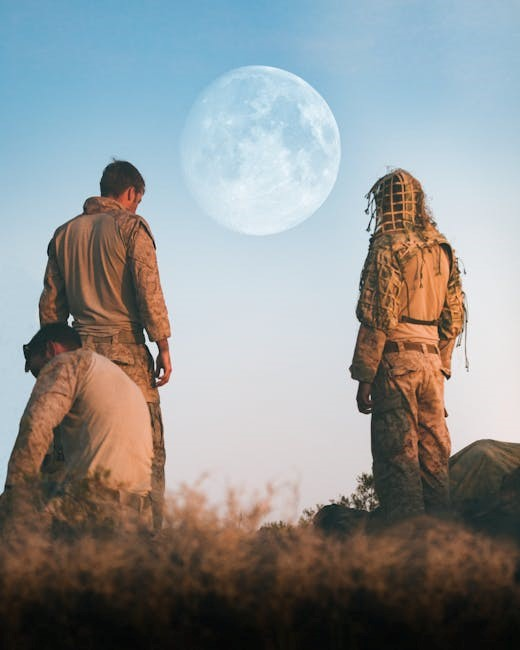
The Land Warfare Phase transitions training to terrestrial combat, building upon the foundation established in prior phases. This nine-week segment focuses on advanced infantry tactics, emphasizing small unit movements, reconnaissance, and offensive operations in diverse terrains.
SEAL candidates undergo comprehensive weapons training, mastering various firearms and employing advanced marksmanship techniques. They learn to operate effectively as a team, conducting coordinated assaults and ambushes. Emphasis is placed on adaptability and quick decision-making under pressure.
Land navigation and patrolling skills are honed through challenging field exercises, requiring candidates to navigate complex landscapes and maintain situational awareness. This phase prepares them for prolonged operations in austere environments, demanding physical endurance and mental fortitude.
Weapons training during the Land Warfare Phase is exceptionally demanding, covering a wide array of firearms crucial for special operations. Candidates become proficient with rifles, pistols, machine guns, and specialized weaponry, mastering both preventative maintenance and immediate action drills.
Marksmanship isn’t simply about hitting the target; it’s about precision under stress. SEALs learn advanced shooting techniques, including shooting on the move, rapid target acquisition, and engaging targets from unconventional positions. They practice extensively at various ranges and distances.
This intensive training emphasizes tactical application, integrating weapons handling with movement and communication. Candidates develop the ability to quickly and accurately engage threats while maintaining situational awareness and operating as part of a cohesive team, vital for mission success.
Small unit tactics form the core of SEAL operational capabilities, focusing on teamwork and adaptability in dynamic combat scenarios. Trainees learn to operate effectively in squads and platoons, mastering communication protocols, formation movements, and coordinated assaults.
Emphasis is placed on decentralized command, empowering individuals to make critical decisions under pressure. Scenarios simulate real-world missions, demanding quick thinking, problem-solving, and the ability to exploit enemy weaknesses. Candidates practice ambushes, raids, and reconnaissance operations.
Integration of weapons, demolitions, and communication skills is paramount. This phase cultivates a deep understanding of combined arms tactics, preparing SEALs to execute complex missions independently or in conjunction with other special operations forces, ensuring mission objectives are met.
Land navigation and patrolling are fundamental skills honed during the Land Warfare Phase, demanding proficiency in diverse terrains and conditions. SEAL trainees master map reading, compass usage, and GPS navigation, operating both day and night.
Patrolling techniques emphasize stealth, observation, and reconnaissance, enabling teams to gather intelligence and avoid detection. Students learn to establish secure patrol bases, conduct route reconnaissance, and employ camouflage and concealment effectively.
Challenges include long-range patrols with limited resources, forcing candidates to prioritize essential equipment and maintain physical and mental endurance. This phase builds self-reliance and the ability to operate independently in hostile environments, crucial for successful mission execution.
SEAL Qualification Training (SQT), a demanding 26-week course, builds upon the foundation established in BUD/S, refining skills and preparing operators for real-world deployments. This phase focuses on advanced weapon proficiency, close-quarters combat, and specialized warfare tactics.
Advanced skill development includes demolitions, surveillance, and communications, enhancing operational capabilities. Trainees undergo intensive scenario-based exercises simulating various mission profiles, fostering adaptability and decision-making under pressure.
SQT culminates in a final evaluation, testing physical and mental fortitude, tactical expertise, and teamwork. Successful completion signifies readiness to join a SEAL Team and contribute to the nation’s most elite special operations force, ready for global deployments.
Advanced Skill Development within SQT focuses on honing specialized capabilities crucial for complex operations. This includes intensive training in demolitions, utilizing various explosive systems for breaching and obstacle removal, alongside advanced surveillance techniques for gathering critical intelligence.
Communication skills are refined, encompassing secure methods and tactical messaging. Operators learn advanced medical training, becoming capable of providing immediate care in austere environments. Furthermore, they master advanced close-quarters combat (CQC) techniques, emphasizing speed, precision, and adaptability in confined spaces.
This phase prepares SEALs for diverse mission sets, ensuring they possess the expertise to operate effectively in any environment, from urban settings to remote wilderness areas, enhancing their overall operational effectiveness.
Parachute training is a critical component of SEAL Qualification Training (SQT), introducing operators to both static line and freefall techniques. Initial instruction focuses on the fundamentals of parachute deployment, safety procedures, and emergency protocols, building a solid foundation for aerial operations.
Students progress to high-altitude low-opening (HALO) and high-altitude high-opening (HAHO) jumps, demanding precision and control in challenging atmospheric conditions. They learn to operate with full combat gear, navigating accurately and landing safely in designated areas.
This rigorous training develops the ability to infiltrate operational areas undetected, providing a vital insertion method for direct action missions and special reconnaissance; Mastering these skills expands the SEALs’ operational reach and tactical flexibility, enabling them to respond rapidly to global threats.
SERE training is arguably one of the most mentally and physically demanding phases within SEAL Qualification Training (SQT). This intensive course prepares operators to survive in hostile environments, evade capture, resist interrogation, and ultimately escape back to friendly forces if compromised during operations.
The curriculum encompasses wilderness survival skills – including foraging for food and building shelter – alongside techniques for evading enemy pursuit. A significant portion focuses on resisting interrogation, equipping SEALs with strategies to maintain operational integrity under duress.
Realistic scenarios simulate capture and confinement, testing a candidate’s resilience and mental fortitude. Successful completion of SERE training instills unwavering confidence and prepares SEALs to operate effectively even in the most dire circumstances, ensuring their survivability and mission success.
Graduation from SQT doesn’t signify the end of a SEAL’s training; it marks a transition to continuous operational preparation. Newly qualified SEALs are assigned to SEAL Teams and begin intensive team-specific training, honing skills for specialized missions and real-world deployments.
This phase includes advanced weapons qualifications, close-quarters combat drills, and specialized insertion/extraction techniques tailored to various operational environments. Ongoing physical conditioning maintains peak performance, while continuous learning ensures adaptability to evolving threats.
Deployment cycles are demanding, requiring SEALs to operate in diverse and challenging locations globally. Post-deployment, operators participate in thorough debriefings and receive opportunities for advanced skill development, ensuring they remain at the forefront of Naval Special Warfare capabilities.
Stew Smith Fitness provides comprehensive training programs specifically designed to prepare individuals for the rigorous demands of Navy SEAL training. His resources, including the “12 Weeks to BUD/S” workout, focus on building the necessary physical and mental fortitude to excel during selection.
These programs emphasize mastering the Physical Screening Test (PST) standards – swimming, push-ups, sit-ups, pull-ups, and the 1.5-mile run – alongside building endurance and functional strength. Stew Smith’s approach incorporates periodization and progressive overload to optimize performance gains.
Beyond physical preparation, Stew Smith offers guidance on mindset, nutrition, and injury prevention, crucial elements for success. His website features articles, workout plans, and coaching services, serving as a valuable resource for those dedicated to pursuing a career as a Navy SEAL.