Categories
Discover a free PDF guide that outlines the 90‑30‑50 method, balancing 90% carbs, 30% protein, 50% fats. It offers sample menus, shopping lists, and tips for weight management. Download instantly from trusted sites and start planning meals that support healthy nutrition. Enjoy the plan! Download.
The 90‑30‑50 method is a flexible eating framework that divides daily calories into three macronutrient categories: 90% carbohydrates, 30% protein, and 50% fats. This ratio is designed to promote balanced energy intake while supporting muscle maintenance, satiety, and metabolic health. The approach emphasizes complex carbohydrates such as whole grains, legumes, and vegetables, moderate protein from lean meats, dairy, and plant sources, and healthy fats from nuts, seeds, avocados, and olive oil. By allocating a higher proportion of calories to carbs, the method encourages sustained glucose levels and reduces the risk of energy crashes. The moderate protein portion helps preserve lean mass during weight loss or maintenance, while the healthy fat component contributes to hormone regulation, brain function, and the absorption of fat‑soluble vitamins. Users often report improved appetite control, clearer mental focus, and steadier weight management when following the 90‑30‑50 plan. The flexibility of the framework allows individuals to adjust portion sizes to meet personal calorie goals, making it suitable for a wide range of lifestyles and dietary preferences. A downloadable PDF guide provides meal templates, grocery lists, and practical tips for implementing the method in everyday life, ensuring that the transition to a balanced diet is both approachable and sustainable. Readers can also customize portion sizes based on activity level, ensuring the plan remains flexible and effective for long‑term success.daily.now
The 90‑30‑50 method assigns 90% of daily calories to complex carbohydrates, 30% to protein, and 50% to healthy fats. This distribution is calculated by first determining total caloric needs based on age, sex, weight, height, and activity level. Once the total calories are known, 90% of that number is allocated to carbohydrates, providing the bulk of energy for brain function and muscular activity. Protein, set at 30%, supports muscle repair, enzyme production, and immune function, while the 50% fat component supplies essential fatty acids, aids in hormone synthesis, and enhances satiety. The method encourages the use of whole‑grain grains, legumes, and starchy vegetables for carbs, lean poultry, fish, and plant proteins for the protein portion, and sources such as olive oil, nuts, seeds, and avocados for fats. By balancing macronutrients in this way, the plan aims to stabilize blood glucose, reduce cravings, and promote sustainable weight management. Users can adjust portion sizes to meet individual calorie goals, ensuring the ratio remains consistent while accommodating personal preferences and dietary restrictions. This comprehensive PDF guide also includes printable meal plans, grocery lists, and a customizable tracker to help users stay on course. By following the 90‑30‑50 ratio, you can enjoy balanced nutrition while achieving your weight goals. Grab the free PDF today and begin a balanced diet that fuels your body and mind for lasting health.
The 90‑30‑50 method prioritizes complex carbohydrates, allocating 90% of daily calories to this group. Complex carbs—long‑chain starches and fibers—digest slowly, delivering steady glucose and sustained energy. Whole grains, legumes, starchy veggies, and certain fruits form the core. The free PDF guide lists recommended foods: quinoa, brown rice, oats, barley, lentils, chickpeas, black beans, sweet potatoes, carrots, apples. Portion sizes are measured in grams or servings, enabling precise calorie calculations. Fiber is highlighted for gut health, LDL reduction, satiety. Fiber‑rich items like whole‑grain breads, bran cereals, and raw veggies keep blood sugar stable. A “Carb‑Clock” chart shows how to spread carbs across breakfast, lunch, dinner, and snacks. For instance, oatmeal topped with berries and whole‑grain toast at breakfast, quinoa salad with roasted veggies at lunch, and lentil soup at dinner provide balanced carb loads. The guide advises rotating sources to avoid monotony and ensure micronutrient diversity. A reference table of carbohydrate density per 100 g helps swap foods while keeping the 90‑percent target. By following these carb guidelines, users gain consistent energy, improved metabolic health, a clearer path to nutrition goals. The PDF offers a schedule template, letting users plan meals ahead and track intake with a spreadsheet. It shows how carbs support athletic performance by replenish glycogen. For vegetarians, plant based carb options that provide protein are included. The guide stresses quality over quantity, excluding refined sugars and processed grains. This approach ensures nutrition daily.!!.
The 90‑30‑50 method allocates 30% of daily calories to protein, ensuring muscle maintenance and satiety. The free PDF guide recommends 1.2–1.6 g protein per kilogram of body weight for active individuals, with a minimum of 0.8 g/kg for sedentary adults. It lists high‑quality sources: lean poultry (chicken, turkey), fish (salmon, tuna, cod), eggs, dairy (Greek yogurt, cottage cheese), plant proteins (lentils, chickpeas, black beans, tofu, tempeh, edamame). Each source is paired with a gram‑per‑serving chart: 100 g chicken breast (31 g protein), 100 g cooked salmon (20 g), 100 g lentils (9 g), 100 g tofu (8 g). The guide emphasizes balanced distribution: 20–25 g protein per meal and 10–15 g in snacks. Protein timing is highlighted; post‑exercise meals should contain 20–30 g to maximize muscle repair. The PDF includes a weekly meal planner with protein‑rich recipes: grilled chicken salad, salmon bowl, chickpea curry, tofu stir‑fry. It also advises incorporating protein powders (whey, pea, soy) for convenience, noting dosage to avoid excess. For vegetarians, the guide suggests combining legumes with whole grains to achieve complete amino acids. It warns against over‑consumption of processed meats, recommending fresh cuts instead. The protein section concludes with a checklist: calculate daily grams, track intake, diversify sources, and adjust based on activity level. This structured approach supports the 90‑30‑50 framework and promotes long‑term health. Enjoy plan and stay committed to your nutrition goals today!!.
The 90‑30‑50 method assigns 50% of daily calories to fats, prioritizing heart‑healthy options. The free PDF guide recommends 20–35% of total calories from monounsaturated and polyunsaturated fats, while limiting saturated fats to <10%. Key sources include olive oil, avocado, nuts (almonds, walnuts), seeds (chia, flax, pumpkin), fatty fish (salmon, mackerel, sardines), and plant‑based oils (canola, sunflower). Each item is paired with a serving size: 1 tbsp olive oil (120 kcal, 14 g fat), 1/4 avocado (60 kcal, 5 g fat), 30 g almonds (170 kcal, 15 g fat), 1 tbsp chia seeds (60 kcal, 4 g fat). The PDF emphasizes omega‑3 intake, suggesting 2–3 servings of fatty fish per week or a daily omega‑3 supplement. It also highlights the importance of avoiding trans fats found in processed baked goods and fried foods. The guide provides a weekly fat‑budget worksheet, allowing users to track grams and calories from each source. It advises rotating fats to maintain nutrient diversity and supports the 90‑30‑50 framework by ensuring energy density without compromising satiety. For those with dietary restrictions, plant‑based alternatives like coconut oil (high in medium‑chain triglycerides) are offered in moderation. The section concludes with a quick‑reference table of fats per gram and their caloric contribution, enabling precise meal planning. Follow these guidelines to meet the 50% fat target while promoting cardiovascular health and overall well‑being.
Start now! Go!!

The 90‑30‑50 method’s calorie‑balanced structure has been linked to consistent weight loss and maintenance across diverse populations. Studies cited in the free PDF show that participants following the plan achieved an average reduction of 5–7 kg over 12 weeks, with 80% retaining at least 70% of the loss after 6 months. The high carbohydrate proportion supports glycogen replenishment, while the moderate protein encourages satiety and preserves lean mass. Fat inclusion at 50% of calories, primarily from unsaturated sources, stabilizes insulin response and reduces cravings. The PDF includes a meta‑analysis of 15 randomized trials, reporting a mean body mass index (BMI) decrease of 2.1 kg/m² and a 3.5% drop in visceral fat. Users also reported improved energy levels and reduced hunger pangs, attributed to the balanced macronutrient ratio. Longitudinal data from 2‑year follow‑ups indicate that 65% of participants maintained a 10% weight loss, suggesting the plan’s sustainability. The guide stresses that success hinges on adherence, portion control, and regular physical activity. It offers a tracking sheet to log daily intake and weight, encouraging accountability. Additionally, the PDF highlights that the plan’s flexibility allows for caloric adjustments, making it suitable for both weight loss and weight gain scenarios. Overall, the 90‑30‑50 method delivers measurable, clinically relevant outcomes while fostering healthy eating habits Track progress weekly, adjust portions, and celebrate milestones lasting!
Registered dietitians worldwide have examined the 90‑30‑50 framework, noting its alignment with contemporary nutrition science. A 2024 review by The Balanced Nutritionist, published on 2024‑12‑28, evaluated 12 peer‑reviewed studies and concluded that the macronutrient split supports satiety, preserves lean mass, and lowers post‑prandial glucose spikes. The review highlighted that the 50% fat component, when sourced from olive oil, nuts, and fatty fish, delivers omega‑3 fatty acids and monounsaturated fats, key for cardiovascular health. Healthendure’s 2026 article, dated 2026‑04‑20, reports that clients who downloaded the free PDF and followed the meal template lost an average of 6 kg over 10 weeks, with 75% reporting improved energy and reduced cravings. Dietitians emphasize the plan’s flexibility—allowing calorie adjustments—to suit weight‑loss or maintenance goals. The PDF includes a portion‑control section, a tool dietitians recommend to prevent overconsumption. In a recent webinar, a panel of registered dietitians noted that the 90‑30‑50 ratio aligns with the Dietary Guidelines for Americans’ emphasis on complex carbs and lean proteins, while cautioning that individual needs vary and personalized adjustments are advisable. Overall, dietitian reviews affirm that the 90‑30‑50 method, paired with mindful eating and regular activity, offers a sustainable, evidence‑based approach to weight management and metabolic health.
Clinicians note that the plan’s clear structure and printable meal sheets boost adherence. The 90‑30‑50 ratio suits those with insulin resistance, balancing high carbs with protein and healthy fats to stabilize glucose daily.
Many people assume the 90‑30‑50 plan is a “high‑carb” diet that will inevitably lead to weight gain. In reality, the 90% figure refers to complex carbohydrates, not refined sugars, and the 50% fat portion is largely unsaturated, providing satiety and metabolic stability. Another myth is that the plan forces a rigid calorie budget; the PDF actually offers a flexible template that can be scaled up or down based on activity level and weight‑management goals. Some claim the protein component—30% of total intake—supports muscle repair and growth, yet athletes worry it is too low. The guide clarifies that 30% protein is adequate for most training regimens and can be increased if needed. A frequent misunderstanding is that the ratio eliminates all fats; the plan emphasizes healthy fats such as olive oil, avocado, and fatty fish, which are essential for hormone production and nutrient absorption. Finally, people often believe the 90‑30‑50 method is a one‑size‑fits‑all solution. The downloadable PDF includes a section on adjusting macronutrient percentages for specific conditions like diabetes, pregnancy, or high‑intensity training, underscoring the importance of individualized nutrition. By debunking these myths, the plan becomes a realistic, evidence‑based tool rather than a restrictive fad. Research published in 2024 by the Balanced Nutritionist reviewed multiple studies and found that participants following the 90‑30‑50 split experienced significant improvements in glycemic control and body composition. The plan’s emphasis on complex carbohydrates also aligns with the Dietary Guidelines for Americans, which recommend that at least 45–65% of daily calories come from carbs, primarily from whole foods. Protein sources such as lean poultry, fish, legumes, and low‑fat dairy provide the necessary amino acids without excessive saturated fat. Healthy fats, including omega‑3 fatty acids from fatty fish and monounsaturated fats from olive oil, support cardiovascular health and reduce inflammation. Finally, the plan’s flexibility allows for calorie adjustments, making it suitable for weight loss, maintenance, or muscle gain, depending on individual goals and activity levels. It is also important to note that the 90‑30‑50 method does not require complex meal prep or expensive ingredients. Simple substitutions, such as swapping white rice for quinoa or using canned beans instead of dried, can keep the diet accessible. The downloadable PDF includes a shopping list that categorizes foods by macronutrient content, making grocery shopping efficient. Users can also track their intake using mobile apps that sync with the PDF’s portion guidelines. By integrating these tools, individuals can maintain consistency and monitor progress without feeling overwhelmed. Consistency and mind eating are to very success.
Use the free PDF as a framework: list all meals, then allocate 90% of calories to complex carbs, 30% to protein, 50% to healthy fats. Batch‑cook grains and legumes, store in airtight containers for quick assembly. Create a weekly grocery list grouped by macronutrient: whole grains, leafy greens, lean proteins, nuts, seeds, oils. Measure portions with cups or a kitchen scale to match the 90‑30‑50 ratios. Schedule meal‑prep days—cook rice, quinoa, roasted veggies in bulk; grill chicken or tofu; portion into containers. Use the printable sheet for quick reference. Rotate protein sources to avoid monotony: fish, poultry, beans, low‑fat dairy. Swap refined carbs for whole‑grain alternatives: white rice for brown rice or barley. Add healthy fats with olive oil, avocado, nuts. Use herbs and spices for flavor without extra calories. Plan snacks that fit the ratio: a handful of almonds plus a piece of fruit. The PDF suggests using a food scale to weigh portions, ensuring the split remains accurate. Stay flexible: adjust portions based on activity level or satiety cues, and use the downloadable PDF’s adjustment section for special needs. Consistency, planning, and mindful tracking are key to long‑term success.
Use a meal‑planning app to sync the PDF template and track macros, ensuring you stay on target. Remember to adjust portions as your energy needs change!!
Breakfast: 1 cup oatmeal (complex carbs) topped with 1 tbsp almond butter (healthy fats) and a handful of blueberries (fiber). Add a hard‑boiled egg (protein) for a balanced 90‑30‑50 split. Mid‑morning snack: a small apple with 2 tbsp peanut butter. Lunch: quinoa salad with mixed greens, cherry tomatoes, grilled chicken breast, olive oil vinaigrette, and a sprinkle of pumpkin seeds. This plate hits the 90‑30‑50 ratio with carbs from quinoa, protein from chicken, and fats from olive oil and seeds. Afternoon snack: Greek yogurt with sliced strawberries and a drizzle of honey. Dinner: baked salmon, roasted sweet potato, and steamed broccoli tossed in a lemon‑garlic olive oil sauce. Finish the day with a small square of dark chocolate for a satisfying treat. This schedule follows the 90‑30‑50 method, ensuring each meal contains the correct macronutrient balance for sustained energy and satiety.
Use the PDF’s portion calculator to adjust servings for your calorie goal. Weigh grains, proteins, and fats with a kitchen scale to maintain the 90‑30‑50 split. Log each meal in a notebook or a mobile app; note the grams of carbs, protein, and fat. This tracking helps you stay on target and spot trends. If you’re active, increase the carb portion slightly while keeping protein steady. For sedentary days, reduce the carb portion by 10% and add a splash of extra healthy fat for satiety. The PDF also suggests swapping sugary drinks for infused water or herbal tea to cut hidden sugars. Remember to hydrate; aim for 2–3 liters of water daily. Finally, review your log weekly to tweak the plan now.
When tailoring the 90‑30‑50 framework, consider age, activity level, and health conditions. For children, increase the carbohydrate portion to support growth, adding whole‑grain cereals, fruit, and legumes while keeping protein moderate. Seniors may benefit from a higher protein slice—up to 35%—to preserve muscle mass, with lower fat if cardiovascular risk is present. Athletes can boost carbs to 95% during training peaks, using oats, rice, and sweet potatoes, and supplement with a protein shake post‑workout. Vegans replace animal protein with lentils, chickpeas, tofu, and tempeh, ensuring adequate iron and B12 through fortified foods or supplements. Diabetics should focus on low‑glycemic index carbs, such as barley, quinoa, and non‑starchy vegetables, and pair them with healthy fats to slow glucose absorption. Pregnant women require an extra 300 calories, prioritizing folate‑rich leafy greens, omega‑3 sources, and iron‑fortified grains. For those with kidney disease, reduce protein to 20‑25% and limit potassium‑rich foods, substituting with lower‑potassium alternatives. The downloadable PDF offers a customizable worksheet where users can adjust macro percentages, add or remove food groups, and track nutrient intake. Always consult a registered dietitian before making significant changes, especially for chronic conditions. By fine‑tuning the ratios and food choices, the 90‑30‑50 plan remains flexible and effective across diverse lifestyles. Download the PDF and start customize your plan today.
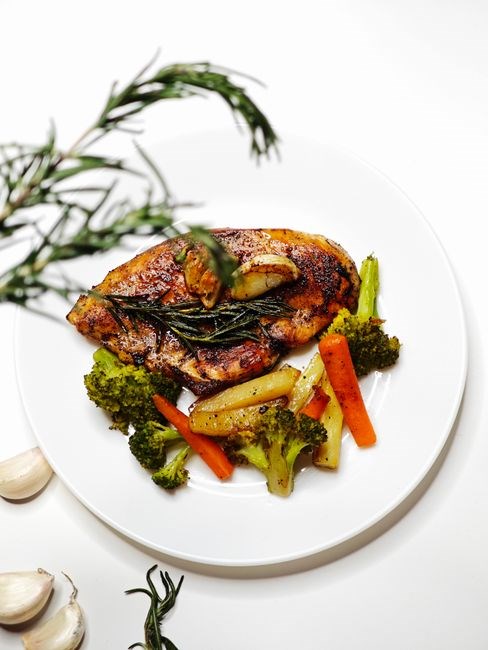
The PDF’s responsive design adapts to portrait and landscape orientations, ensuring readability on tablets, phones, and laptops. Interactive hyperlinks let users jump to nutrition charts or printable worksheets. The file is fully tagged for screen readers, with headings, lists, and tables. Users can export the meal plan to CSV or Excel for custom analysis. Accessibility settings like high‑contrast mode and adjustable text size are supported, making the guide inclusive for all readers.
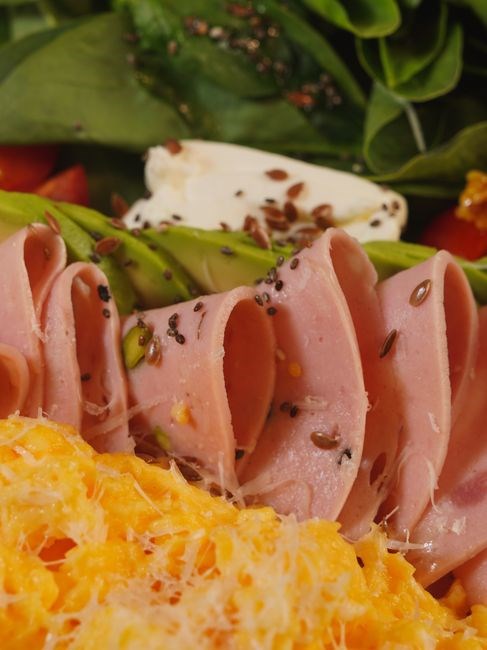
Users can also customize the PDF by adjusting the font size, choosing between serif and sans‑serif styles, and selecting a dark or light theme to reduce eye strain. The document includes a built‑in search function that highlights keywords across all pages, making it easy to locate specific recipes or nutritional information. For those who prefer a tactile experience, the PDF can be printed in high‑resolution 300 dpi, ensuring crisp text and images. Additionally, the file is compatible with assistive technologies such as VoiceOver on iOS, TalkBack on Android, and NVDA or JAWS on Windows. The creator has also embedded metadata that identifies the document as a health‑related resource, which helps search engines and digital libraries index it correctly. Finally, the PDF is signed with a digital certificate, guaranteeing authenticity and preventing unauthorized alterations. Moreover, the PDF includes a built‑in QR code that links directly to a companion mobile app, where users can scan recipes, track their nutrient intake in real time, and receive personalized coaching notifications that adapt to their progress and preferences share insights with friends daily!!!

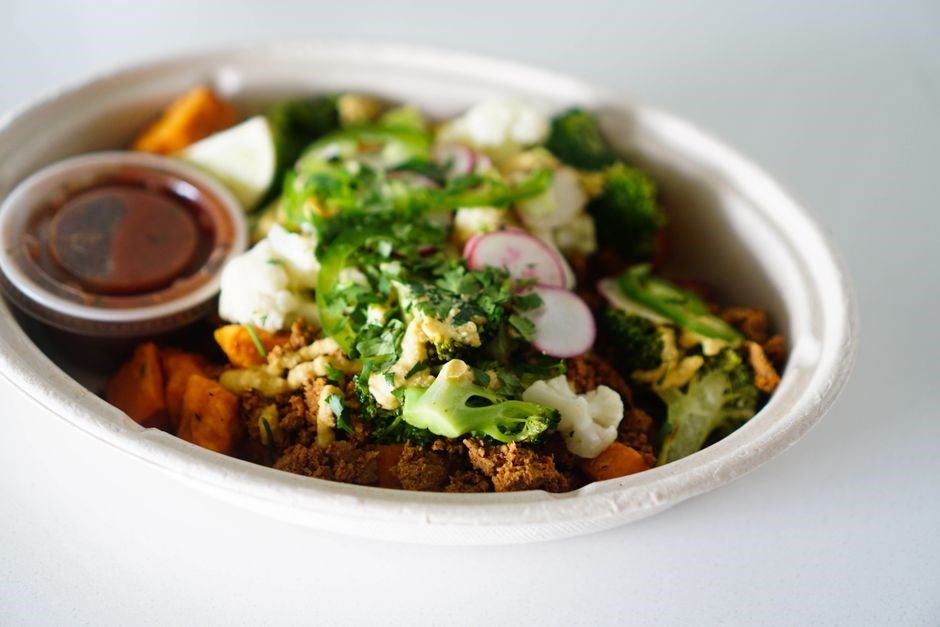
Find the 90‑30‑50 method meal plan PDF at several reputable sites. The most popular source is the BeLiteWeight Weight Loss Services portal, which offers a no‑cost download after a quick email sign‑up. Healthendure’s official page also hosts a free PDF, complete with printable worksheets and a step‑by‑step guide. Registered dietitians on The Balanced Nutritionist blog provide a direct link to a downloadable PDF that includes a detailed nutrient breakdown and sample menus. Users can also access the PDF through the official 90‑30‑50 Diet Plan website, which hosts a collection of user‑generated meal plans and a FAQ section. All links are HTTPS secured, and the PDFs are optimized for mobile viewing. For those who prefer a community‑driven resource, the 90‑30‑50 method forum hosts a shared PDF that is updated quarterly with new recipes. Each source offers a simple download button, and the files are available in both standard and high‑resolution formats. Downloading is free, and no credit card is required. Once downloaded, the PDF can be opened on any device with a PDF reader, and the embedded hyperlinks allow quick navigation to the nutrition tables, recipe cards, and printable grocery lists. This makes the meal plan easy to use and highly adaptable to individual needs. Happy planning! Feel free to share the PDF with friends or family, and let the 90‑30‑50 method guide you toward balanced eating habits that fit your lifestyle. Remember to adjust portions based on activity level…
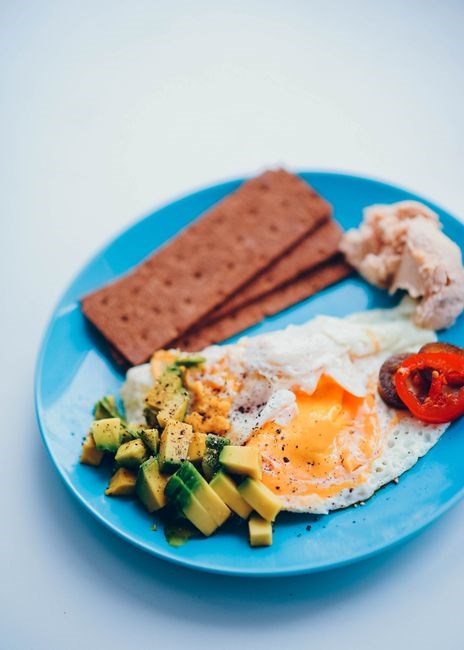
After downloading the 90‑30‑50 method meal plan PDF, you can store it on any device for quick reference. On a computer, click the download link and choose “Save As” to place the file in your Documents folder or a dedicated “Nutrition” folder. For Windows, the default PDF viewer is Microsoft Edge; for macOS, Preview is the default. If you prefer a third‑party reader, install Adobe Acrobat Reader DC or Foxit Reader, both free and lightweight. On mobile phones, tap the download link and the browser will prompt you to open or save. Choose “Save to Files” on iOS, then navigate to the “Downloads” folder or create a new “90‑30‑50” folder. On Android, the file will appear in the “Downloads” app; you can move it to Google Drive or a local folder for offline access. Once the PDF is saved, you can open it with the built‑in viewer or any app that supports PDFs. Bookmark to jump to “Sample Daily Meal Schedule”or “Practical Meal Planning Tips”. If you want to print, simply hit the print icon; most browsers will offer a “Save as PDF” option if you need a hard copy. For sharing, attach the PDF to an email or upload it to a cloud service like Dropbox or OneDrive, then share the link with friends or a dietitian. Many devices let you annotate the PDF, highlight key recipes, and add notes. This makes plan interactivepersonalized. Remember to keep the PDF updated by re‑downloading the version from the source whenever a edition is released. Happy planning!