Categories
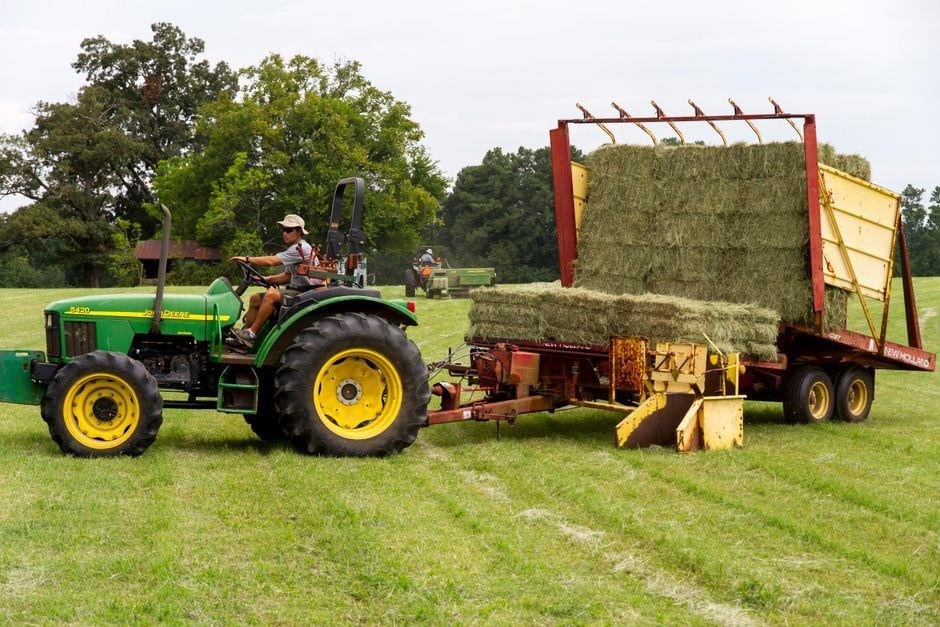
The john deere lt133 owners manual provides essential guidance for operators, covering equipment specifications, operational instructions, and safety protocols. It ensures proper use, maintenance, and troubleshooting, helping users maximize performance and longevity. It offers quick reference charts for parts,!
The purpose of the john deere lt133 owners manual is to provide operators and technicians with comprehensive, step‑by‑step instructions for the safe and efficient operation, maintenance, and troubleshooting of the LT133 series. This manual covers all aspects of the machine, from basic startup procedures to advanced diagnostic techniques, ensuring that users can fully understand the equipment’s capabilities and limitations. The scope includes detailed descriptions of the engine, transmission, hydraulic system, electrical components, and operator controls. It also outlines recommended service intervals, fluid specifications, and part replacement guidelines. Additionally, the manual addresses safety precautions, warning signs, and regulatory compliance requirements to protect operators and the environment. By following the guidelines in this manual, owners can extend the life of their equipment, reduce downtime, and maintain optimal performance. The manual is organized into clear sections, each focusing on a specific functional area, and includes diagrams, tables, and illustrations to aid comprehension. Users are encouraged to review the manual thoroughly before operating the machine and to keep a copy on site for quick reference during routine inspections or repairs. The manual also serves as a reference for warranty claims and service history documentation, ensuring that all maintenance records are accurate and up‑to‑date. It is intended for use by certified operators, service technicians, and maintenance personnel, and it should be consulted whenever changes are made to the machine’s configuration or when new parts are installed. The manual’s design follows industry standards for clarity, safety, and ease of use, making it an indispensable tool for anyone responsible for the LT133’s operation or upkeep. It also contains a quick‑start checklist!
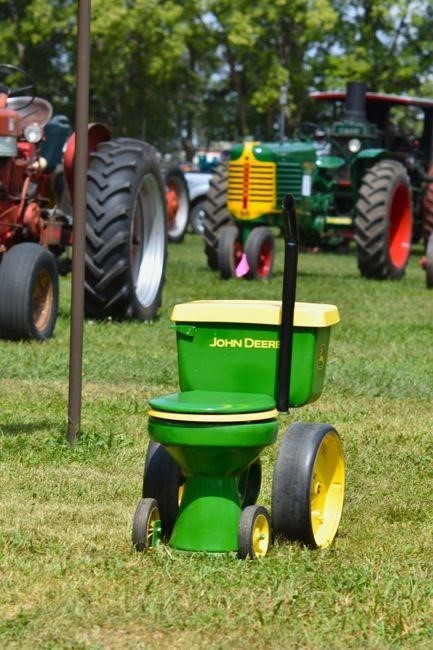
Before operating the john deere lt133, read all safety instructions. Keep the operator’s seat and guard rails in place. Never allow children or unauthorized personnel near the machine while it is running. The machine’s hydraulic system can exert high pressure; do not tamper with hoses or fittings without proper tools. Always wear protective gloves, safety glasses, and hearing protection. The operator’s manual lists specific warning signs such as abnormal engine noise, fluid leaks, or unusual vibrations. If any of these occur, stop the machine immediately and inspect the relevant system. The manual also highlights the importance of maintaining a clear work area, removing debris, and ensuring that all safety interlocks are functional. The machine’s power steering and transmission require regular fluid checks; low fluid levels can cause loss of control. Follow the recommended service intervals for oil, coolant, and hydraulic fluid. The manual advises against operating the machine in wet or icy conditions unless equipped with proper tires and traction control. In case of a fire, use a fire extinguisher rated for class B or C fires. Keep the fire extinguisher within easy reach. The manual also warns against overloading the machine beyond its rated capacity, as this can damage the frame and compromise safety. Always use the correct attachment and follow the attachment guidelines. The manual’s safety section also includes a list of emergency shutdown procedures and the location of the emergency stop button. If you are unsure about any procedure, contact a certified service technician. Following these precautions will help prevent accidents and ensure the longevity of the john deere lt133.!!!
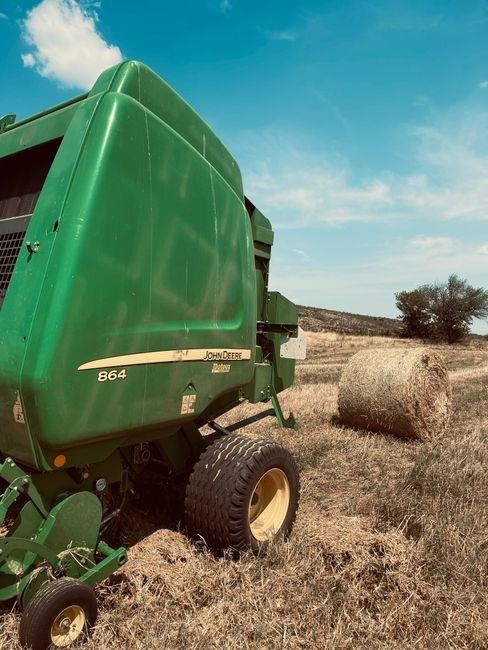
To operate the John Deere LT133, start by ensuring all guards are in place and the operator’s seat is adjusted. Engage the clutch, select the appropriate gear, and release the brake. Use the power steering for turns, and monitor engine gauges for optimal performance now!.
Before starting the John Deere LT133, ensure the engine is cool, the operator’s seat is correctly positioned, and all safety guards are in place. Verify the fuel level, oil pressure, and coolant temperature are within recommended ranges. Engage the parking brake and set the transmission to neutral. Insert the key into the ignition, turn it to the “ON” position, and wait for the dashboard lights to illuminate. Press the clutch pedal fully and release the brake. With the engine at idle, gently press the accelerator to bring the engine up to operating RPMs. Once the engine reaches the desired speed, shift into the appropriate gear and release the clutch smoothly. Monitor the tachometer and temperature gauges to ensure the engine is running within safe limits. When stopping, first shift the transmission to neutral, apply the parking brake, and then turn the ignition to the “OFF” position. Allow the engine to cool before performing any maintenance or inspection. For emergency stops, use the emergency brake lever and the emergency stop button located near the operator’s seat. Always follow the manufacturer’s recommendations for warm‑up and cool‑down procedures to prolong engine life and maintain optimal performance. Regularly inspect the starting system, battery, and alternator for wear or corrosion. Keep the key in a secure location to prevent unauthorized use. By adhering to these procedures, operators can ensure safe, efficient, and reliable operation of the John Deere LT133, minimizing downtime and extending the equipment’s service life. Lorem ipsum dolor sit amet. Consectetur Lorem!!
Power steering on the John Deere LT133 is hydraulic, providing smooth handling even under heavy loads. The system uses a pump driven by the engine, delivering pressurized fluid to the steering rack. Operators should check the hydraulic fluid level before each shift; a low level can cause steering lock or sluggish response. The steering wheel should be turned smoothly, with no excessive force, and the steering column should remain free of play. If resistance increases, inspect the fluid for contamination and replace the filter as recommended. The transmission is a 4‑speed manual with a synchromesh on the first three gears. The gear selector lever is positioned to the left of the operator’s seat. Shifting into gear requires the clutch pedal to be fully depressed; the clutch disc engages only when the pedal is released. The shift pattern is neutral‑first‑second‑third‑fourth. The transmission fluid should be checked monthly; a dirty or low fluid level can lead to gear slippage or failure. The LT133’s hydraulic pump also supplies power to the transmission’s torque converter, ensuring smooth gear engagement. When operating in reverse, the operator should first shift to neutral, then to reverse, and finally release the clutch. Proper use of the clutch and gear selector reduces wear on the transmission and extends its life. For routine maintenance, replace the clutch fluid and filter every 12,000 miles, and inspect the hydraulic lines for leaks or cracks. The LT133’s design emphasizes reliability, so adhering to these procedures ensures smooth, safe operation in the field. Operators should also perform a visual inspection of the steering linkage and ensure all bolts are tightened to spec and.
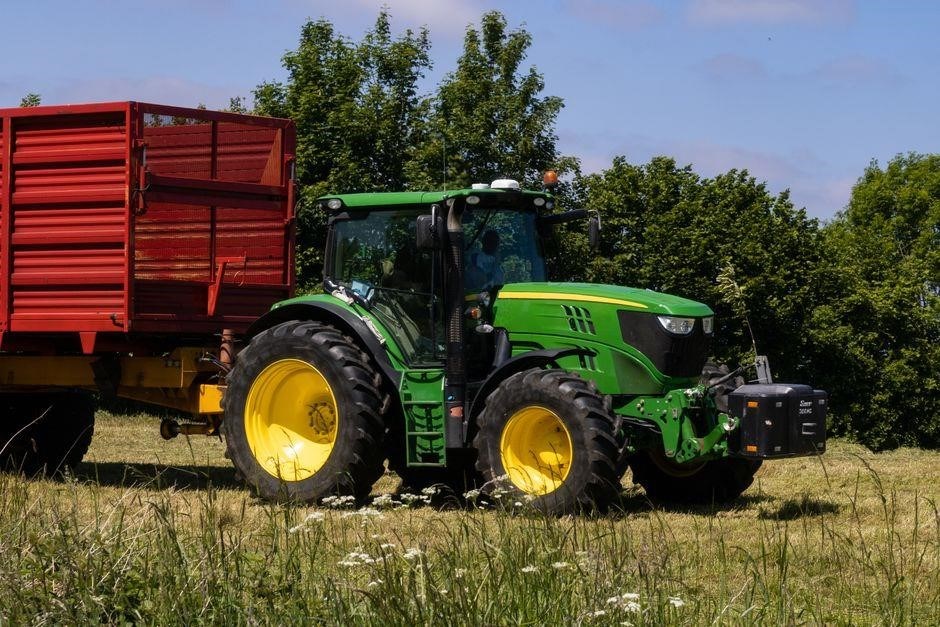
Regular checks keep the LT133 running smoothly. Inspect oil, hydraulic fluid, and coolant levels before each shift. Examine belts, hoses, and filters for wear; replace as needed. Verify tire pressure and inspect brakes. Follow the schedule in the manual for optimal performance. Keep all parts in well condition.
Before each operation, verify engine oil level by checking the dipstick or sight glass, ensuring the oil is within the recommended range and free of contaminants. Use the specified grade, typically 10W‑30 or 15W‑40, as indicated in the owner’s manual. Replace oil every 500 hours or as recommended for heavy use. Inspect the oil filter for proper installation and condition; replace if clogged or damaged. Check hydraulic fluid in the reservoir, ensuring it is clear and at the correct level, top up with the manufacturer’s recommended fluid. Inspect the coolant level and condition; add or replace as needed to maintain optimal engine temperature. Verify transmission fluid is at the correct level and free of metal shavings or discoloration; replace if dirty or at the end of the service interval. Check brake fluid in the master cylinder and each brake line, ensuring it is clear and at the proper level; replace with DOT 4 or DOT 5.1 as specified. Inspect fuel lines and filters for leaks or debris; replace fuel filters according to the maintenance schedule. Finally, confirm that all fluid reservoirs are clean, properly sealed, and free of leaks before starting the machine. Adhering to these checks ensures reliable performance and extends the life of the LT133. Regularly inspect the engine’s cooling system, ensuring the radiator, hoses, and water pump are free of leaks and debris; check the coolant temperature gauge for operation, replace the coolant filter if it shows signs of clogging or contamination. Maintaining coolant flow preventsheat heatexends engine life!!
Inspect the brake system before each use, focusing on the master cylinder, brake lines, and wheel cylinders. Check the master cylinder reservoir for fluid level and quality; it should be clear and free of debris. Verify the brake fluid is the correct type, typically DOT 4, and replace it if it appears cloudy or contains particles. Examine the brake lines for cracks, bulges, or leaks; replace any damaged lines immediately. Inspect the wheel cylinders for proper operation by applying the brakes and observing for any uneven stopping or fluid loss. Ensure the brake shoes or pads are within the wear limits specified in the manual; replace them if they are worn beyond the minimum thickness. Check the brake hoses for signs of wear or corrosion; replace them if they show any signs of damage. Verify that the brake calipers or wheel cylinders are properly aligned and that the brake shoes or pads move freely without binding. Inspect the brake fluid reservoir for any signs of contamination or leaks; clean or replace the reservoir if necessary. Check the brake system for proper hydraulic pressure by using a brake pressure gauge; the pressure should be within the specified range. Finally, test the brakes in a safe area to confirm that they provide adequate stopping power and that there is no abnormal noise or vibration. Regular inspection and maintenance of the brake system are essential for safe operation of the John Deere LT133. Additionally, inspect the brake mechanism, ensuring it engages and releases smoothly. Check the brake pad wear indicators for any signs of wear. Inspect the brake fluid lines for any signs of corrosion or cracking. Verify the brake system’s electrical connections if equipped with electronic brake controls. Keep a log of all inspections and any replacements performed. If the brake system shows any irregularities, such as a spongy pedal, uneven braking, or fluid leakage, address them immediately by replacing the affected components. Use only OEM parts or those approved by the manufacturer to maintain system integrity. Document any changes in the maintenance log for future reference. Following these inspection steps will help ensure reliable braking performance and extend the life of the brake components. All procedures follow manual!
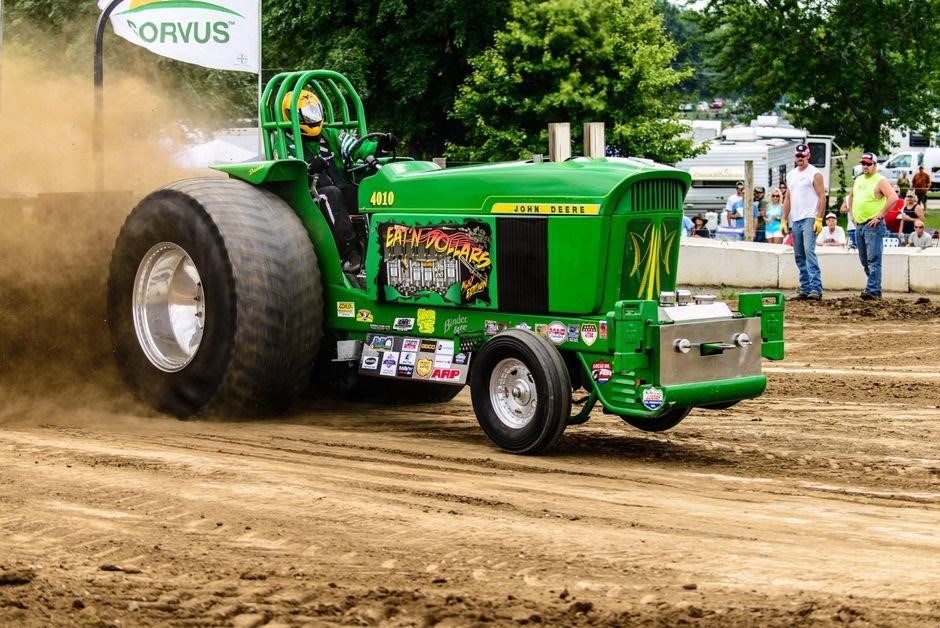
Check engine codes, inspect belts, verify fluid levels, test battery, review transmission shifts, inspect brakes, examine fuel filter, confirm ignition timing, inspect cooling system, verify electrical connections, and consult service manual for guidance. Keep safe. Fix!?
When the John Deere LT133 exhibits reduced power, rough idling, or unusual emissions, the first step is to consult the john deere lt133 owners manual for diagnostic procedures. Begin by inspecting the air filter for clogging; a dirty filter can restrict airflow and lower horsepower. Next, verify the fuel system integrity: check the fuel filter for blockage, ensure the fuel pump delivers adequate pressure, and confirm that the fuel lines are free of leaks or kinks. Inspect the spark plugs and ignition coils for wear or fouling; replace them according to the recommended interval. Examine the engine coolant level and temperature gauge; overheating can cause detonation and loss of performance. Check the timing belt or chain tension and alignment; a slipped or worn belt can alter ignition timing and reduce efficiency. Inspect the exhaust system for restrictions or leaks, as these can affect backpressure and engine response. Verify that the engine oil is at the correct level and viscosity; low oil or incorrect oil can increase friction and reduce power. Use the diagnostic trouble codes (DTC) reader to identify any stored codes; the manual provides a list of common codes and suggested remedies. If the engine still underperforms these checks, consider a compression test to assess cylinder integrity. The manual details the procedure for a compression test, including the required tools and acceptable range. Regular maintenance per the schedule in the manual will prevent many of these issues and keep the LT133 running reliably.
When the John Deere LT133’s transmission does not shift smoothly, slips, or emits abnormal noises, the owners manual offers a systematic approach to diagnosis. Begin by checking the transmission fluid level and condition; low fluid or contamination can cause slipping or harsh shifts. Inspect the fluid for metal shavings or a burnt odor, and replace the filter if the manual specifies. Verify that the shift lever is correctly positioned and that the linkage or cable is free of damage. Examine the clutch or torque converter for wear; a worn clutch can result in delayed engagement or slipping. Inspect the gear oil for proper viscosity and ensure the correct type is used, as specified in the manual’s fluid chart. Use the diagnostic port to read any transmission fault codes; the manual lists common codes such as “TC1” for torque converter issues or “TG2” for gear engagement problems. If a code is present, follow the recommended corrective action. Check the transmission mounts for cracks or excessive play, which can affect gear alignment. Inspect the gear teeth for wear or damage; the manual provides acceptable wear limits. If the gearbox shows signs of internal damage, the manual advises contacting a certified dealer for repair or replacement. Regular maintenance, including fluid changes at the intervals listed, will prevent most gearbox problems and extend the life of the LT133’s transmission system. Keeping the transmission fluid at the correct level and replacing the filter as recommended will help maintain gear engagement and extend life daily. Additionally, maintaining proper torque converter fluid levels and ensuring the clutch linkage operates without binding will further enhance shift quality and prolong the overall durability of the transmission system.
Keeping the transmission fluid at the correct level and replacing the filter as recommended will help maintain gear engagement and extend life daily.
Thanks pal!

For more details, see the official LT133new manual.

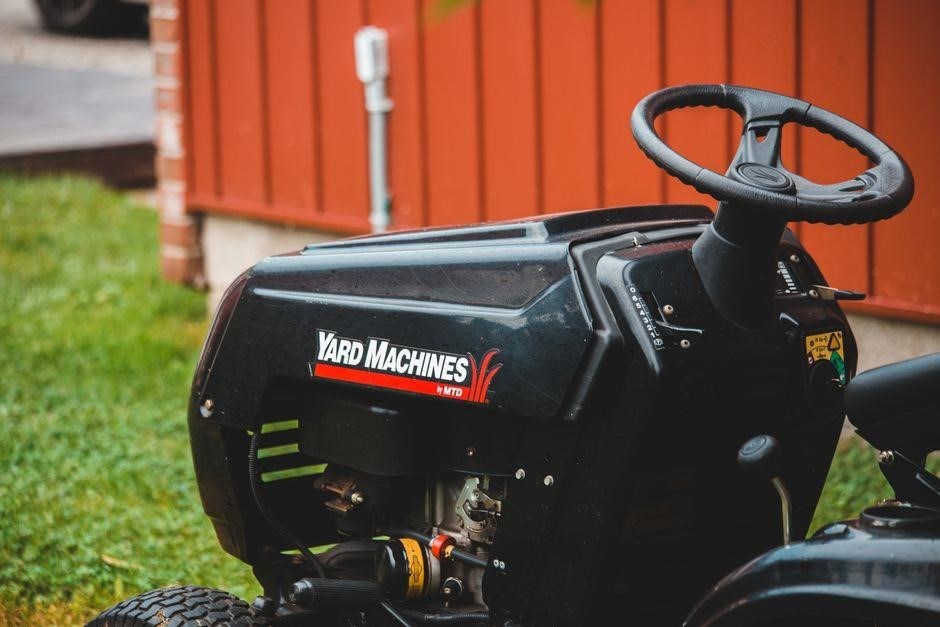
Appendices provide detailed parts lists, wiring diagrams, and service schedules. Resources include online support, dealer contacts, and warranty terms. Use these to troubleshoot, order parts, and verify compliance with manufacturer standards. Consult the appendix for torque specs and maintenance intervals now.

Parts list and diagram codes provide unique part numbers and diagram codes for accurate replacement.Parts list and diagram codes provide unique part numbers and diagram codes for accurate replacement.Parts list and diagram codes provide unique part numbers and diagram codes for accurate replacement.Parts list and diagram codes provide unique part numbers and diagram codes for accurate replacement.Parts list and diagram codes provide unique part numbers and diagram codes for accurate replacement.Parts list and diagram codes provide unique part numbers and diagram codes for accurate replacement.Parts list and diagram codes provide unique part numbers and diagram codes for accurate replacement.Parts list and diagram codes provide unique part numbers and diagram codes for accurate replacement.Parts list and diagram codes provide unique part numbers and diagram codes for accurate replacement.Parts list and diagram codes provide unique part numbers and diagram codes for accurate replacement.Parts list and diagram codes provide unique part numbers and diagram codes for accurate replacement.Parts list and diagram codes provide unique part numbers and diagram codes for accurate replacement.Parts list and diagram codes provide unique part numbers and diagram codes for accurate replacement.Parts list and diagram codes provide unique part numbers and diagram codes for accurate replacement.Parts list and diagram codes provide unique part numbers and diagram codes for accurate replacement.This section lists diagram codes, torque specs, and intervals for the part daily.
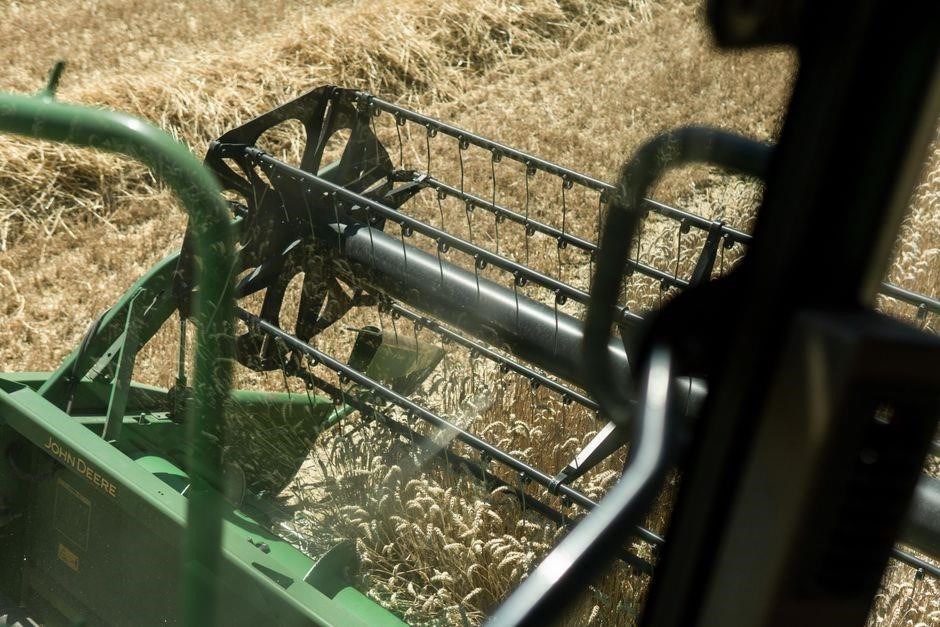
The warranty and service information section outlines the coverage terms, duration, and conditions applicable to the John Deere LT133. It specifies the factory warranty period of five years or 100,000 operating hours, whichever comes first, and details the components covered, including engine, transmission, hydraulic system, and electrical components. The warranty also explains the process for filing a claim, the required documentation, and the role of authorized dealers in service and repair. Service information includes recommended maintenance schedules, inspection intervals, and parts replacement guidelines to ensure optimal performance and longevity. It highlights the importance of using genuine John Deere parts and following the prescribed torque specifications. The section also provides contact information for regional service centers, phone numbers, and online resources for troubleshooting and parts ordering. Additionally, it notes any extended warranty options available through the manufacturer and the conditions that may void the warranty, such as unauthorized modifications or improper use. The warranty booklet is available in both digital and printed formats and can be accessed through the official John Deere website or by contacting the local dealer. This comprehensive guide helps owners understand their rights, responsibilities, and the steps needed to maintain compliance with warranty requirements, thereby protecting the investment and ensuring the machine operates safely and efficiently throughout its service life. All parts are covered under warranty only